


The 2026 Chevrolet Trax is positioned for drivers who want a compact SUV that performs consistently in daily use rather than excelling in a single category. Shoppers researching small SUVs are typically trying to understand how interior space, technology, ride comfort, and safety systems function together during commuting, errands, and longer drives. The value of the 2026 Chevrolet Trax comes from how these systems are engineered to reduce friction during repeated use.
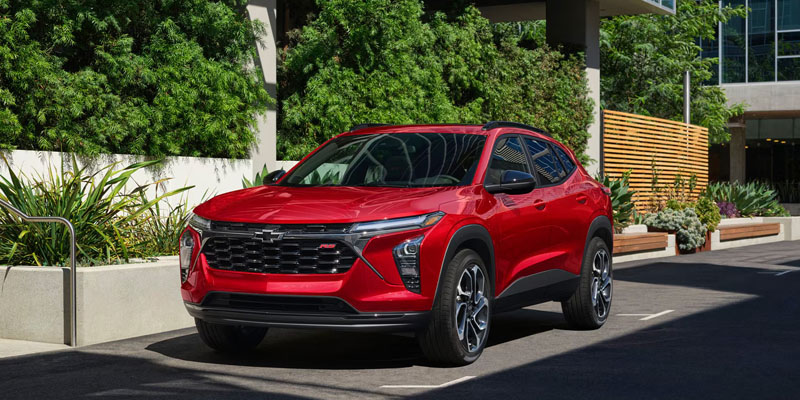
Evaluating the 2026 Chevrolet Trax requires looking beyond feature lists and focusing on how the interior layout supports driver interaction, how the infotainment system responds in real time, how the suspension system manages road input, and how driver assistance features operate in real driving conditions.
Interior Layout and Practical Space Utilization in the 2026 Chevrolet Trax
Many shoppers ask how spacious the 2026 Chevrolet Trax feels and whether the interior supports everyday usability. Interior usability is the efficiency of how space, controls, and seating positions are organized to support driving tasks.
The 2026 Chevrolet Trax interior layout is designed around driver reach zones and visibility alignment. Controls are placed within a natural forward line of sight, reducing the need for drivers to shift focus away from the road. This design becomes important in stop and go traffic where quick interaction with climate, media, and navigation systems is frequent.
The seating structure in the 2026 Chevrolet Trax supports a slightly elevated driving position. This improves outward visibility and helps drivers better judge distance when merging, parking, or navigating tighter spaces. Seat geometry is designed to distribute body weight evenly, which reduces fatigue during longer drives.
Interior functionality is shaped by how the space is used rather than how large it appears. The Trax focuses on practical usability through:
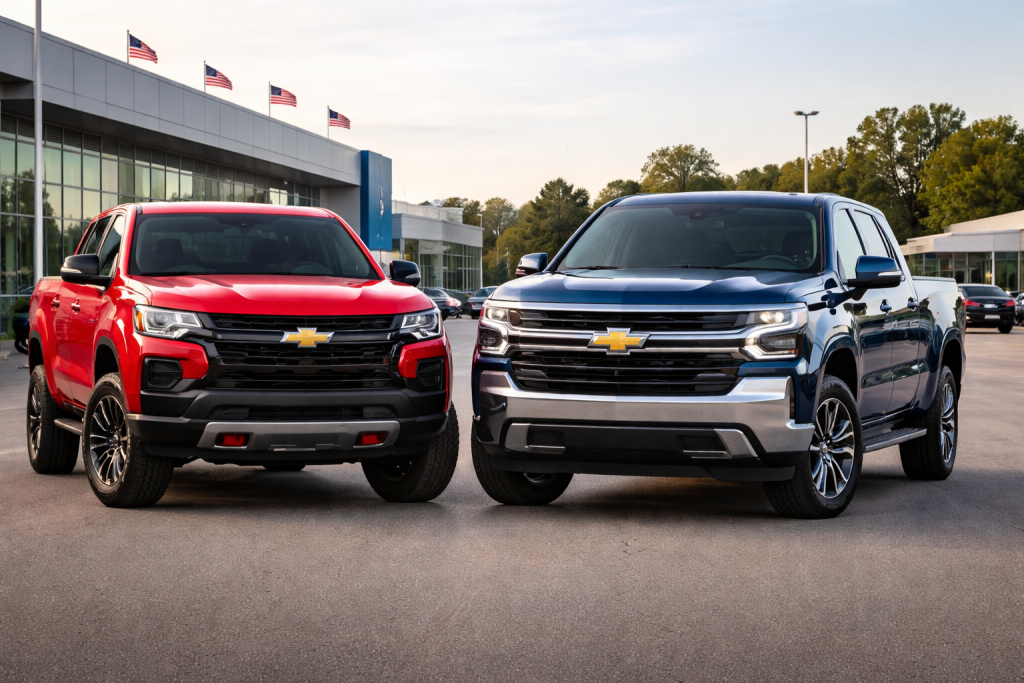
Read the rest of this entry »Truck shoppers comparing the Chevrolet Colorado and Chevrolet Silverado 1500 are usually trying to answer a practical question: which truck can actually handle their workload. Towing numbers are often the starting point, but those numbers do not explain how capability is generated, how it performs in real conditions, or which truck is better suited for specific tasks. Understanding how towing works, how each truck is engineered, and how real world conditions affect performance allows buyers to make a decision based on use rather than assumptions.
How Towing Capacity Is Generated in Chevrolet Trucks
Many shoppers researching towing capacity ask how these numbers are calculated and what actually allows a truck to pull heavier loads. Towing capacity is determined by a combination of engine torque, transmission gearing, drivetrain design, and structural strength.
Torque is the primary force responsible for moving weight. The Chevrolet Colorado turbocharged engine produces torque at lower engine speeds, which helps initiate movement when pulling a trailer. The Chevrolet Silverado 1500 engine lineup includes options with higher overall torque output, allowing it to handle heavier loads more consistently.
Read the rest of this entry »Truck shoppers in Gonzales are not just comparing monthly payments or advertised prices. Most are trying to understand why prices vary so much between similar Chevrolet trucks, how deals actually impact cost, and what ownership looks like over time. Models like the Chevrolet Colorado and Chevrolet Silverado 1500 often appear close in price depending on configuration, which makes it difficult to determine which truck delivers the best value. A clear evaluation comes from understanding how pricing is built, how capability aligns with cost, and how ownership expenses develop after the purchase.
How Chevy Truck Pricing Changes Based on Configuration
Many shoppers comparing Chevy trucks ask why pricing varies so widely within the same model. Truck pricing is heavily influenced by configuration choices rather than a single base price.
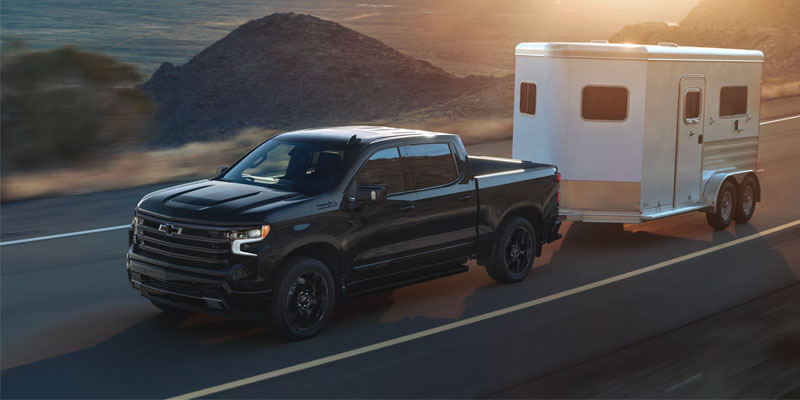
The Chevrolet Colorado and Chevrolet Silverado 1500 both start with a base configuration, but pricing increases as buyers adjust key variables. Cab size, bed length, drivetrain, and engine selection all contribute to the final cost.
For example, a Chevrolet Silverado 1500 Crew Cab with four wheel drive and a larger engine will cost significantly more than a Regular Cab configuration with rear wheel drive. Each change adds capability, space, or performance, which directly affects pricing.
Key configuration factors that influence price include:
Read the rest of this entry »SUV shoppers in Gonzales are rarely just comparing price tags. Most are trying to understand how pricing connects to features, how those features function in daily driving, and which Chevrolet SUV actually aligns with their lifestyle. Models like the Chevrolet Equinox, Chevrolet Blazer, and Chevrolet Traverse often appear close in price depending on trim level, which creates confusion around what separates them and what is actually worth paying for. Understanding how pricing structures work, how systems operate, and how each model is designed helps turn a broad comparison into a clear decision.
How Chevrolet SUV Pricing Changes Across Trim Levels
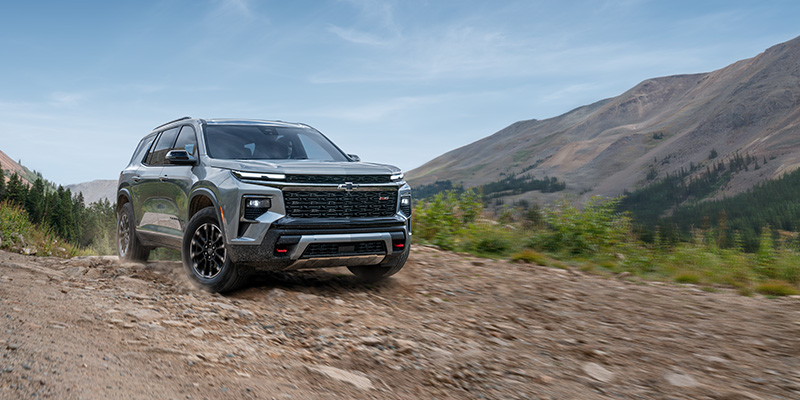
Many shoppers comparing Chevy SUVs ask how pricing changes between trims and what actually drives those differences. Chevrolet SUV pricing increases are not random. Each step up in trim reflects added systems, upgraded materials, and expanded functionality.
At the base level, vehicles like the Chevrolet Equinox LS typically include essential systems such as a turbocharged engine, foundational safety features, and a standard infotainment interface. As buyers move into mid-level trims like the Equinox LT or Blazer 2LT, pricing increases reflect added convenience and driver assistance systems along with interior upgrades.
Read the rest of this entry »Gonzales SUV Shopping Trends: How Drivers Compare Space, Safety, and Technology Across the Chevrolet SUV Lineup
When Gonzales drivers begin shopping for a Chevrolet SUV, the comparison rarely stays focused on one model. Buyers typically evaluate multiple size classes before narrowing their decision. The most common factors driving that decision are interior space, safety integration, and technology capability relative to budget.

Chevrolet’s SUV lineup spans compact efficiency to full-size towing strength. Understanding how models differ structurally and mechanically ensures you choose the right platform rather than simply choosing the largest option available.
Compact SUV Options: Chevrolet Trax and Chevrolet Trailblazer
Compact SUVs are engineered for maneuverability, fuel efficiency, and commuter practicality.
Trax:
- Five-passenger seating
- Turbocharged small-displacement engine
- Designed for urban driving
- Strong combined fuel economy
- Slightly larger footprint than Trax
- Available all-wheel drive
- Multiple turbocharged engine options
- Flexible cargo configuration
Compact SUVs appeal to:
Read the rest of this entry »When Gonzales drivers begin comparing Chevrolet trucks, the conversation usually starts with price but quickly shifts to capability. The real decision is not simply light duty versus heavy duty. It is understanding how towing capacity, payload strength, engine configuration, and trim positioning align with daily workload and long-term ownership cost.
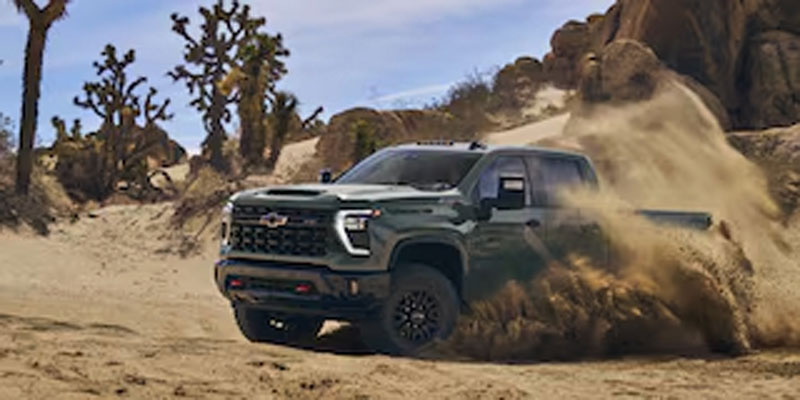
Chevrolet structures its truck lineup with clear engineering distinctions between the Silverado 1500, 2500HD, and 3500HD. Choosing the correct platform ensures you pay for capability you actually use.
Platform Differences: Light Duty vs Heavy Duty
The Silverado 1500 is a light-duty truck designed for balanced towing, everyday comfort, and broad configuration flexibility.
The Silverado 2500HD and 3500HD are built on reinforced frames with heavier suspension components, upgraded axles, and commercial-grade cooling systems.
Structural Differences:
Read the rest of this entry »The 2026 Chevrolet Traverse represents a structural and technological shift within the Chevrolet SUV lineup. It is larger, more powerful, and digitally advanced compared to prior generations. For families evaluating three-row SUVs, the changes are architectural rather than cosmetic.
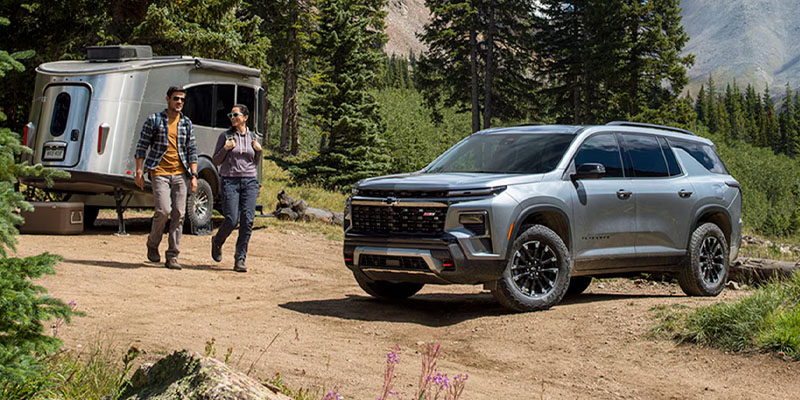
This overview breaks down platform growth, powertrain updates, digital integration, safety systems, and trim positioning so buyers can understand how the new Traverse functions in daily use.
Redesign and Platform Growth
The 2026 Traverse rides on an updated midsize SUV platform with increased overall length and expanded interior packaging. Wheelbase and body proportions have been optimized to improve passenger comfort and cargo usability.
Key structural updates include:
Read the rest of this entry »Choosing between the Chevrolet Trax and Equinox is less about brand and more about segment. Both are two-row SUVs designed for everyday practicality, but they serve different drivers. One prioritizes compact efficiency and value positioning. The other delivers greater interior volume, available all-wheel drive, and expanded capability.
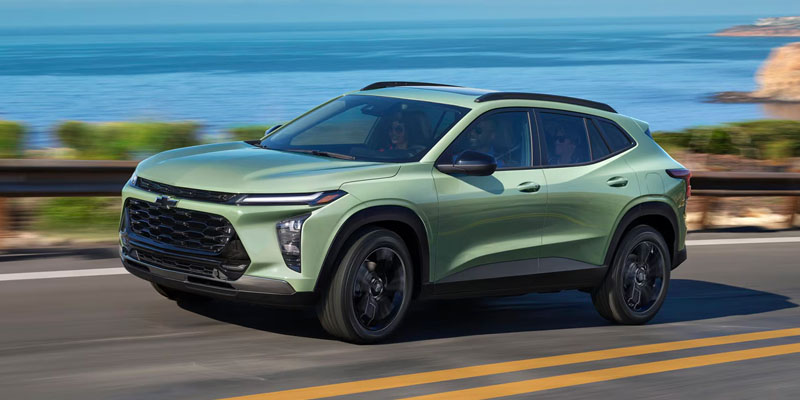
Understanding platform size, powertrain behavior, cargo capacity, and long-term ownership costs clarifies which SUV aligns with your daily routine.
Segment Positioning and Overall Size
The Trax is classified as a subcompact SUV. It rides on a shorter wheelbase with a narrower overall footprint. This directly affects maneuverability and parking ease.
The Equinox sits in the compact SUV segment. It is longer, wider, and engineered for increased passenger room and cargo flexibility.
What this means in practice:
Read the rest of this entry »SUV shoppers in Gonzales tend to evaluate vehicles through a practical lens. Rather than focusing on brand image alone, buyers are comparing how well an SUV fits daily life, how it protects occupants, and how ownership costs align with household budgets. Understanding how space, safety systems, and pricing intersect helps shoppers avoid compromises that surface after purchase.
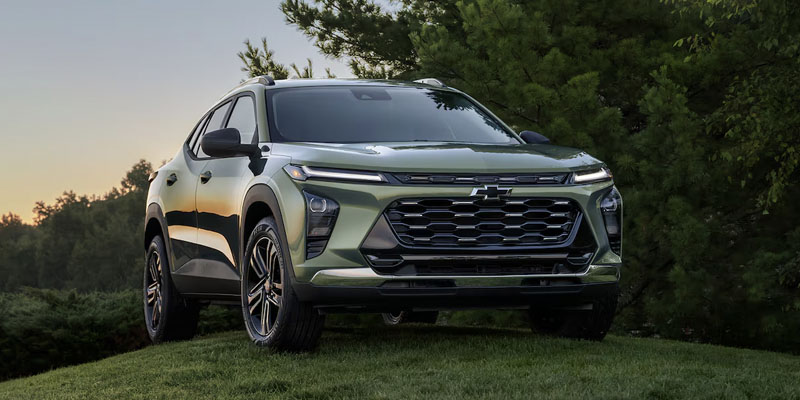
Interior Space and Everyday Usability
Interior space is often misunderstood during the shopping process. Exterior dimensions do not always translate to usable passenger or cargo room, which is why evaluating interior layout is critical.
What shoppers should examine:
Read the rest of this entry »Truck shoppers in Gonzales rarely compare Chevrolet trucks on price alone. While advertised deals and incentives attract attention, informed buyers quickly realize that two trucks with similar pricing can deliver very different value depending on configuration, capability systems, and long-term ownership costs.
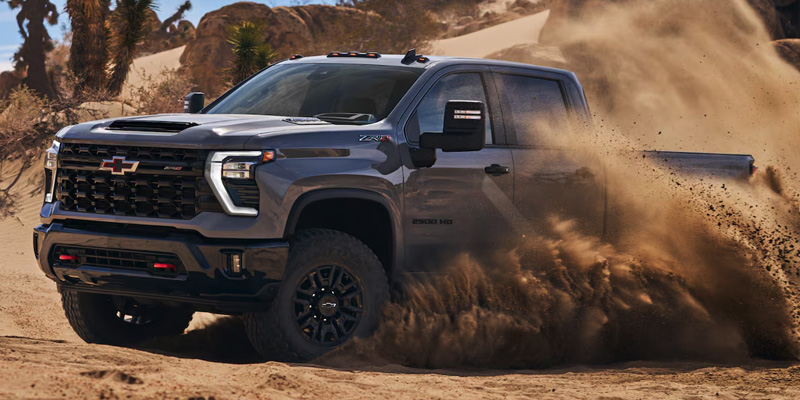
Understanding how prices, features, and availability interact helps shoppers evaluate offers more accurately and avoid comparing trucks that are not truly equivalent.
Why Chevy Truck Prices Vary More Than Expected
Chevrolet truck pricing is influenced by more than base MSRP. Variations often stem from how a truck is built rather than where it is sold.
Primary pricing drivers include:
Read the rest of this entry »Connect with us


